
You go to the dentist expecting a filling. Then the dentist looks at the X-ray, pauses, and says something you weren’t expecting. “This might need a crown.”
If that’s happened to you, you probably felt confused and frustrated. A filling is one thing, but a dental crown is another. The cost and process are different, and now you’re left wondering whether the recommendation is really necessary or if you’re being upsold.
At Holmes Family & Cosmetic Dentistry in Fort Wayne, Dr. Ryan Holmes believes you deserve a real answer. Here’s what happens when a filling becomes a dental crown, and how we decide.
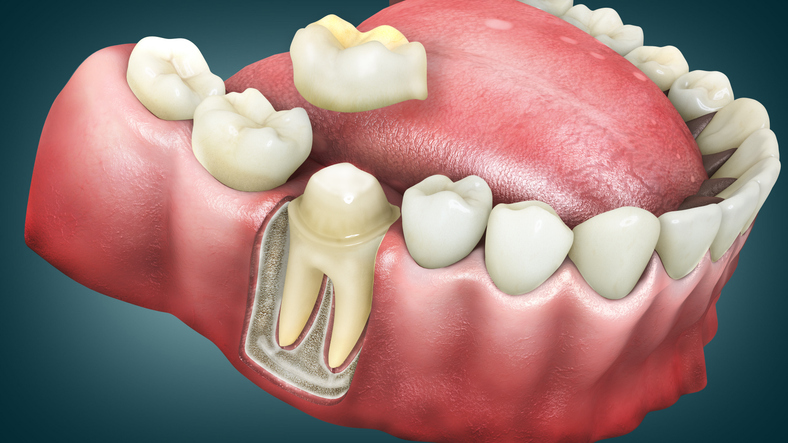
The Short Answer: It’s About Remaining Tooth Structure
A filling needs enough healthy tooth structure around it to hold it in place. If decay has destroyed too much of the tooth, there isn’t enough structure left to support a filling. The filling would fail.
A crown, by contrast, covers the entire tooth. It doesn’t rely on the tooth walls to hold it in place. It holds the tooth together.
So the question becomes: how much healthy tooth structure is left? That’s what Dr. Holmes evaluates before recommending a filling or a crown.
What Determines Whether a Filling Will Work
Several factors go into that decision:
- The Size of the Cavity: A small cavity leaves plenty of healthy tooth structure around it. A large cavity leaves very little. The bigger the cavity, the more likely a crown is the better choice.
- The Location of the Cavity: Some cavities occur in areas where the tooth takes heavy chewing forces. Others are in more protected areas. A cavity on a back molar that takes heavy pressure is more likely to need a crown than one on a front tooth.
- The Presence of Cracks: A cracked tooth is different from a decayed one. Cracks can spread, and a filling won’t stop that. A crown holds the tooth together and prevents the crack from getting worse.
- Previous Dental Work: If the tooth has already had a large filling, there may not be much healthy structure left. Removing an old filling and replacing it with a new one doesn’t solve the underlying problem if the tooth is already compromised.
- The Health of the Tooth’s Nerve: If decay reaches the pulp, the tooth may need a root canal before a crown. In that case, a crown is almost always necessary because root canal-treated teeth become brittle and prone to fracture.
Why This Decision Is More Complex Than It Looks
Here’s where Dr. Holmes’s training makes a difference. He completed advanced training at the Kois Center in Seattle, which focuses on predictability, longevity, and whole-mouth health. The Kois approach teaches dentists to evaluate the entire bite system, not just individual teeth.
That matters for this decision because a filling or crown doesn’t exist in isolation. It has to function within your bite. If the forces on the tooth are unbalanced, the restoration will fail sooner, whether it’s a filling or a crown.
So Dr. Holmes isn’t just looking at the cavity. He’s looking at how the tooth meets its neighbors. How it functions when you chew. Whether signs of grinding or clenching could stress the restoration. Whether the surrounding teeth are stable or shifting.
That’s a more thorough evaluation than most patients expect. But it’s what makes the recommendation reliable.
What About “Watching” a Small Cavity?
Sometimes the right answer isn’t a filling or a crown. Sometimes it’s watching a small cavity to see whether it progresses.
Dr. Holmes uses a laser scanner that can detect decay years earlier than traditional X-rays. That means he can catch small cavities in the earliest stages. In some cases, fluoride and improved home care can reverse those cavities. In others, we can monitor them until they’re large enough to treat.
But watching only works if the cavity is genuinely small and the tooth is otherwise healthy. Once decay progresses, watching becomes risky.
What Patients Often Ask
Here are the questions we hear most often when a filling becomes a crown:
- “Can’t you just do a filling and see if it works?” Sometimes, yes. If the tooth has enough healthy structure left, it’s worth trying a filling. But if the structure is compromised, a filling is likely to fail, and you’ll still need a crown. In those cases, going straight to a crown saves you time and money.
- “Isn’t a crown more expensive?” Upfront, yes, but a filling that fails and needs multiple replacements, or that leads to a root canal or tooth extraction, ends up costing more in the long run. A crown done right the first time is often the more economical choice.
- “Can I wait and see?” Sometimes. If the tooth isn’t causing pain and the decay is contained, waiting a few weeks or months may be reasonable. But waiting too long can lead to more complex treatment. Dr. Holmes will tell you honestly whether waiting is safe or whether it’s risky.
- “What if I don’t want a crown?” That’s your decision. Dr. Holmes will explain the risks and benefits, but he won’t pressure you. If you decide to wait, he’ll explain what to watch for and when to come back.
The Role of Technology
Dr. Holmes uses several tools to make this decision more precise. Our digital X-rays show what’s happening beneath the surface. They can reveal decay that isn’t visible to the eye and show how much healthy tooth structure you have left.
The laser scanner detects early decay that traditional X-rays might miss. That means Dr. Holmes can catch problems earlier, when a smaller intervention might be possible.
Intraoral cameras let you see what he sees. When you can see the crack or the extent of the decay in the image, the recommendation makes more sense. Digital imaging for smile previews is part of our practice’s approach to helping patients understand what’s happening and what’s possible.
What the Crown Process Looks Like
If a crown is the right choice, here’s what happens:
- The Consultation and Exam: Dr. Holmes examines the tooth, takes X-rays, and evaluates the surrounding teeth and bite.
- Preparation: We reshape the tooth to make room for the crown. We do this under local anesthesia, so you won’t feel pain.
- Impressions or Digital Scans: We take a precise model of your tooth so we can custom-make the crown to fit.
- A Temporary Crown: While we make the permanent crown, you’ll wear a temporary. It protects the tooth and lets you function normally.
- Placement: When the permanent crown is ready, Dr. Holmes checks the fit, the color, and the bite before cementing it in place.
- Follow-up: We check in to make sure the crown is comfortable and functioning correctly.
Most crowns take two visits over a few weeks. Some practices offer same-day crowns, but Dr. Holmes and Dr. Hoyt use a trusted dental lab to ensure the best possible fit and appearance. The extra time is worth it.
Why an Honest Recommendation Matters
This conversation matters because of trust. When a patient is told they need a crown, they should feel confident that the recommendation is based on clinical findings, not on revenue.
Dr. Holmes takes a conservative approach. He doesn’t recommend unnecessary treatment or push patients into procedures they don’t need. If you’ve been told you need a crown and you’re not sure, ask questions. Ask to see the X-ray, why a filling won’t work, and what happens if you wait. A dentist who’s confident in their recommendation will be happy to explain.
Serving Fort Wayne and the Surrounding Communities
Holmes Family & Cosmetic Dentistry is at 10435 Illinois Road in Fort Wayne, IN. We proudly serve patients from Fort Wayne, Columbia City, Roanoke, Allen County, Arlington Park, Pine Valley, Coventry, Castle Creek, and the surrounding communities.
If you’ve been told you need a crown and you want a second opinion, or if you’re due for a checkup and want to know what’s going on with your teeth, we’d love to see you. Dr. Holmes will evaluate your situation, explain your options, and give you a recommendation you can trust.
Call our new patient line at 260-530-5489 to schedule your visit. You can also request an appointment online anytime.