
You have had that dental crown for years now. Maybe it’s on a back molar, or it’s right up front where everyone can see it. Either way, it has done its job quietly and reliably. You don’t think about it much.
But crowns don’t last forever. And they often send little signals before anything goes seriously wrong. The trick is knowing what to look for.
At Holmes Family & Cosmetic Dentistry in Fort Wayne, IN, we see patients every week who have ignored those signals. Not because they were careless, but because they just didn’t know what to watch for. Dr. Ryan Holmes and Dr. Phil Hoyt are here to help you understand those signs so you can protect your smile.
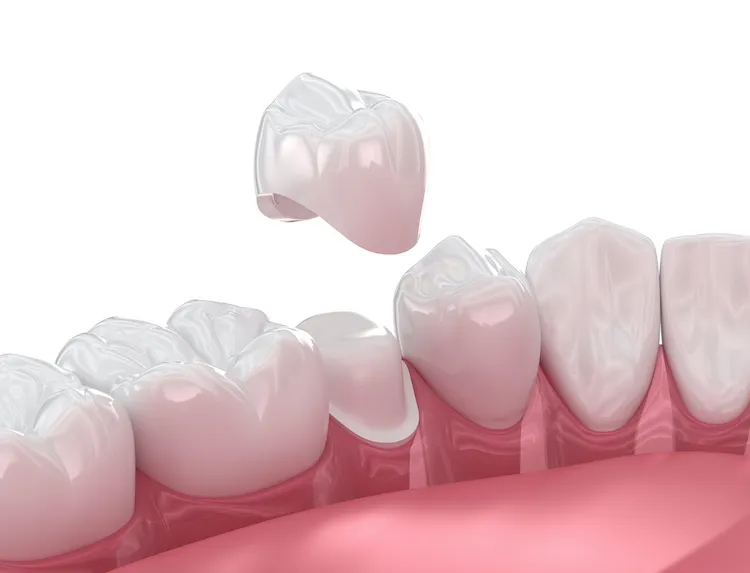
Sign #1: Sensitivity That Wasn’t There Before
That crown used to feel just like a natural tooth. Now, something is different. Maybe a sip of hot coffee makes you wince. Maybe cold water sends a quick zing through that tooth. Maybe biting down feels a little “off.”
That sensitivity usually means the seal around your crown isn’t what it used to be. Over time, the cement that holds the crown in place can wash out. The gum tissue can recede. Bacteria can sneak into that tiny gap and irritate the tooth underneath.
If you catch this early, we can often reseal or adjust the crown without any major work. If you wait, that bacteria can cause decay on the natural tooth beneath the crown. That is a much bigger problem to fix.
Dr. Holmes has over 20 years of experience and advanced training from the prestigious Kois Center. He understands the importance of a proper seal and how even small changes in your crown can affect your long-term oral health. Patients from Fort Wayne, Columbia City, and Roanoke trust us to catch these issues early.
Sign #2: A Rough Edge You Keep Feeling With Your Tongue
You know that feeling when you cannot stop running your tongue over a sharp spot on a tooth? That is your crown telling you something has changed.
Crowns are made from strong materials like porcelain, ceramic, or metal alloys. They shouldn’t develop rough spots or sharp edges on their own. When that happens, it is often a sign of wear, a small chip, or the crown shifting slightly from where it started.
That rough edge can irritate your tongue, your cheek, or your gums. Over time, that irritation can lead to sores or even gum recession around the crown.
Bringing it to our attention early means we can smooth it out or evaluate whether the crown needs replacing. A quick fix now beats a painful surprise later. Our Fort Wayne dental practice is conveniently located at 10435 Illinois Road, making it easy to schedule a quick evaluation.
Sign #3: A Dark Line Along the Gum
This one is mostly cosmetic, but it is still worth paying attention to. If you notice a dark or grayish line showing up right where your crown meets your gum, that’s the metal base of an older crown becoming visible.
Older crowns were sometimes made with a metal foundation covered in porcelain. As gums naturally recede with age, that metal edge can peek through. It doesn’t necessarily mean the crown is failing. But it does mean the crown is aging, and the gum tissue is changing around it.
Some patients choose to replace these crowns for cosmetic reasons. Others wait until there is a functional issue. Either way, it is worth having us take a look so you can make an informed decision.
Dr. Hoyt brings deep experience in restorative dentistry, including natural-looking crowns and bridges. He can help you determine whether your aging crown needs replacement or can continue to serve you well.
What If You Grind Your Teeth?
Teeth grinding, also known as bruxism, can put extra stress on your crowns. If you grind your teeth at night, your crowns may wear down faster than normal. You might notice flattening, chipping, or increased sensitivity.
If you grind your teeth, a custom nightguard can protect your crowns and your natural teeth. We offer custom-fitted mouthguards that are comfortable and effective. Many patients from Allen County have found relief with this simple solution.
What We Do When You Come In
If any of these signs sound familiar, don’t panic. We will start with a gentle exam and some digital X-rays to see exactly what is going on beneath the surface. We will explain what we find in plain language and walk you through your options.
Sometimes it is a simple adjustment. Sometimes we recommend replacing the crown before it causes bigger problems. And sometimes we find everything is fine, but we are glad you came in anyway.
Our digital X-rays give us a clear view of your crown and the tooth beneath it. We can spot issues like decay, cracks, or bone loss that might not be visible during a visual exam. This advanced technology helps us provide precise, effective care.
How Long Should a Crown Last?
With proper care, a dental crown can last 10 to 15 years or even longer. The key to longevity is good oral hygiene and regular dental checkups.
To extend the life of your crown:
- Brush twice daily with a soft-bristled toothbrush
- Floss carefully around the crown to remove plaque
- Avoid chewing on hard objects like ice or pens
- Wear a nightguard if you grind your teeth
- Visit us regularly for exams and cleanings
Dr. Holmes and Dr. Hoyt will check your crown during each visit. We look for signs of wear, fit issues, and changes in the surrounding gum tissue. Catching problems early means we can address them before they become serious.
When to Replace a Crown
Not every crown needs to last forever. Here are some situations where replacement might be the best option:
- The crown is loose or has fallen out
- There is decay underneath the crown
- The crown is cracked or chipped
- The crown no longer fits properly
- You are unhappy with the appearance of the crown
If your crown falls out, don’t panic. Call our office right away. We will get you in quickly and determine whether the crown can be re-cemented or if a new one is needed.
Why Choose Holmes Family & Cosmetic Dentistry?
- Two experienced dentists in Fort Wayne: Dr. Holmes has over 20 years of experience and advanced Kois Center training. Dr. Hoyt brings deep expertise in restorative dentistry.
- Advanced technology: Digital X-rays, intraoral cameras, and laser scanning for precise diagnosis.
- No judgment: However long it has been since your last visit, you are welcome here.
- Over 400 5-star reviews: Our patients trust us with their smiles.
- Comfort amenities: Fresh-brewed coffee, blankets, neck pillows, and aromatherapy to help you relax.
- Affordable options: We offer flexible financing and an in-house dental savings plan.
Conveniently located at 10435 Illinois Road in Fort Wayne, we proudly serve patients from:
- Fort Wayne
- Columbia City
- Roanoke
- Arlington Park
- Pine Valley
- Coventry
- Castle Creek
- And all surrounding Allen County communities
Don’t Wait for Pain
A crown that is starting to fail rarely causes sudden, severe pain. It gives you signs, little nudges, and that odd sensation when you bite. That rough edge your tongue keeps finding is not normal.
Listen to those signs. A quick appointment now could save you from a more involved procedure in the future.
Notice any of these signs in your own smile? Call Holmes Family & Cosmetic Dentistry today at 260-530-5489. You can also request an appointment online anytime.
We will take a look, answer your questions, and help you decide what’s next. Don’t wait until it hurts! We are here to help you stay ahead of the problem.